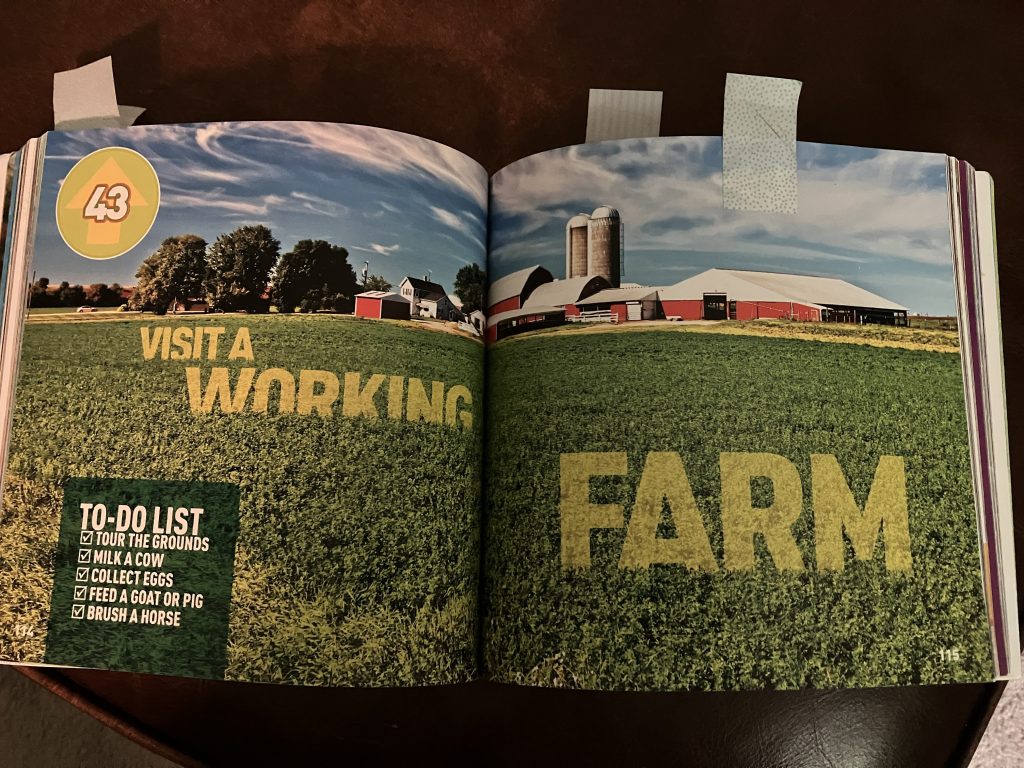
I learned about farms much the way most kids do, in the pages of a picture book. My grandparents were Nebraska farmers and my dad grew up on the farm, but I was raised on the streetlight-lined streets of suburban Oklahoma. Sure, we like a good Farmer’s Market and enjoy a nice Farm to Table restaurant but like many Americans, I’m at least one step removed from where our food actually comes from. So when Lee heard about the 2025 Piedmont Farm Tour where you could visit multiple farms for one low price, it sounded like fun and a great opportunity to VISIT A WORKING FARM. Our pass was good for the entire weekend but we spent just a warm Sunday afternoon, joined by Elisabeth, exploring the world of our local farms.
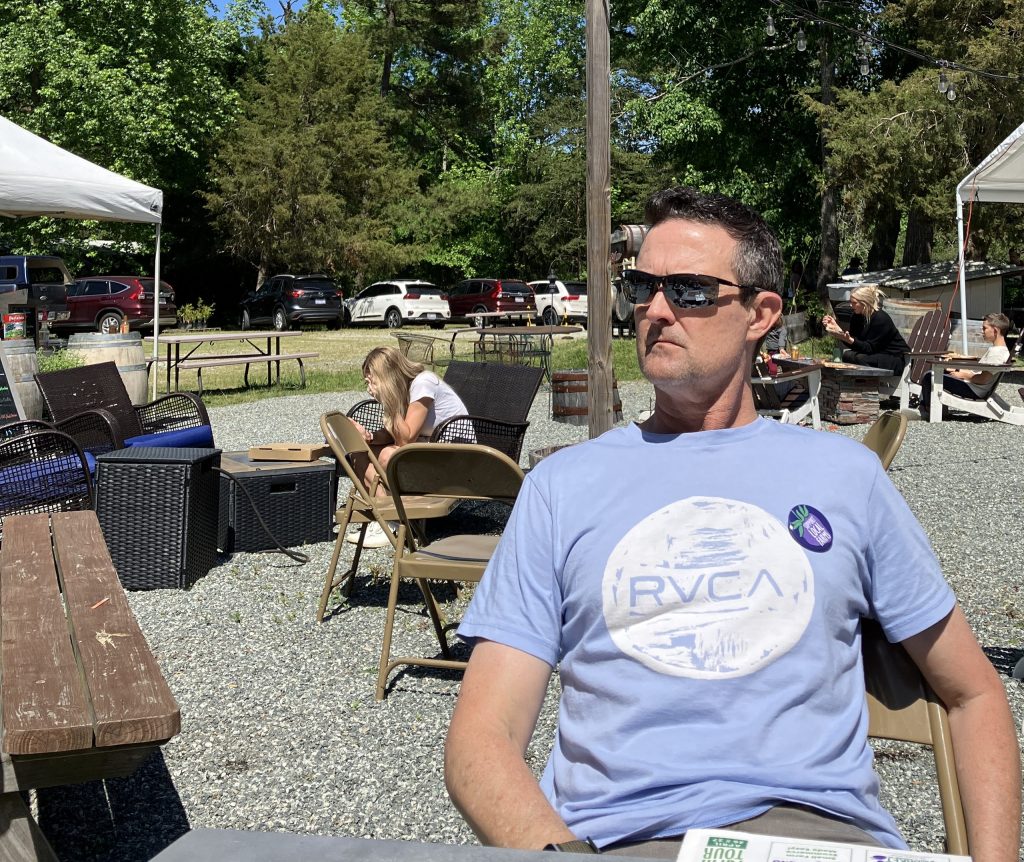
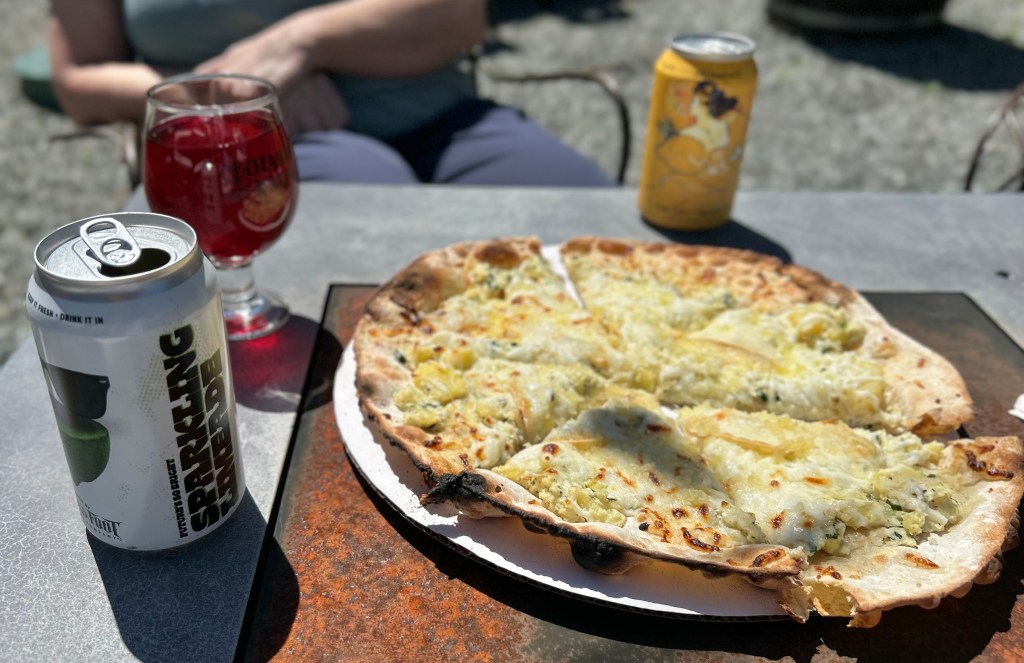
Leaving our itinerary open, we focused on an area within a 30-minute drive from our house. We started at Cedar Grove Blueberry Farm, which happens to be the home of Botanist & Barrel, a local hard cider that I’ve enjoyed before. We skipped the orchard walk, missed the start of the guided farm tour, and went straight to the coal-fired pizza, the cider, and non-alcoholic beer while we decided where to go next. We might not have been doing this right.
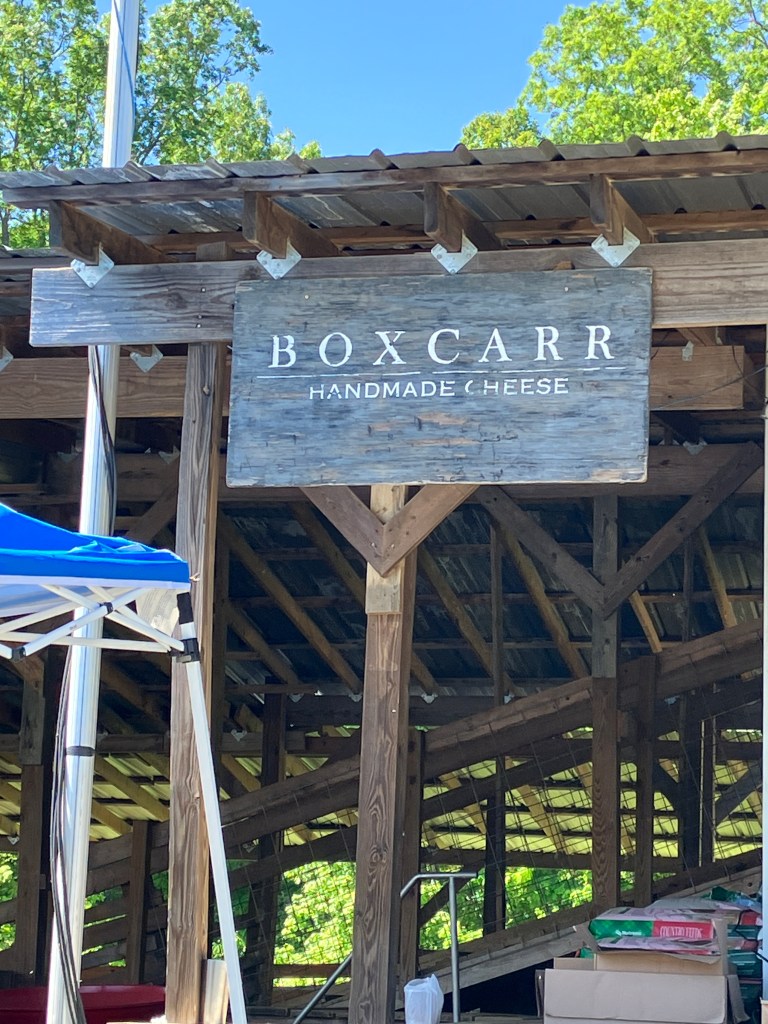
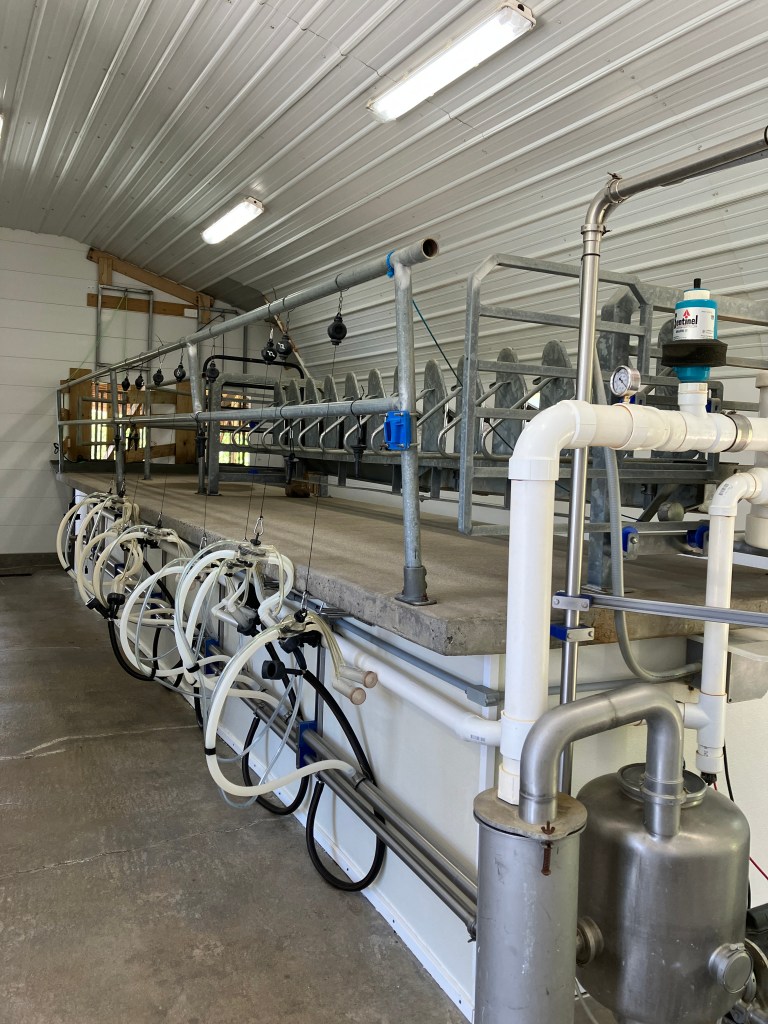
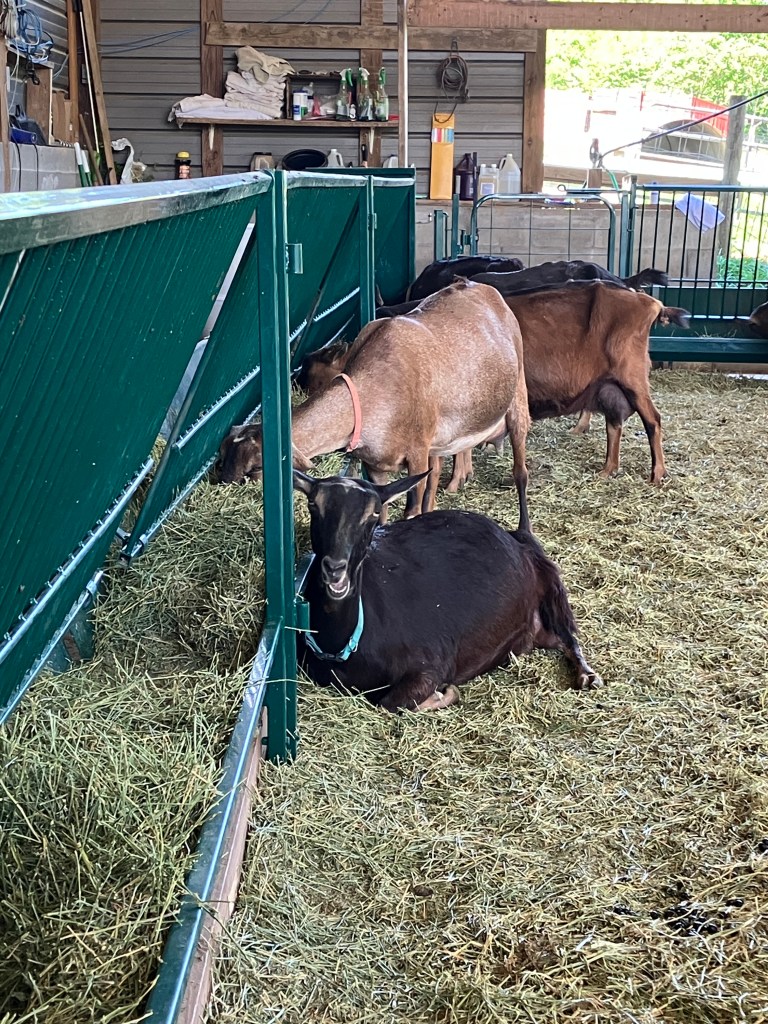
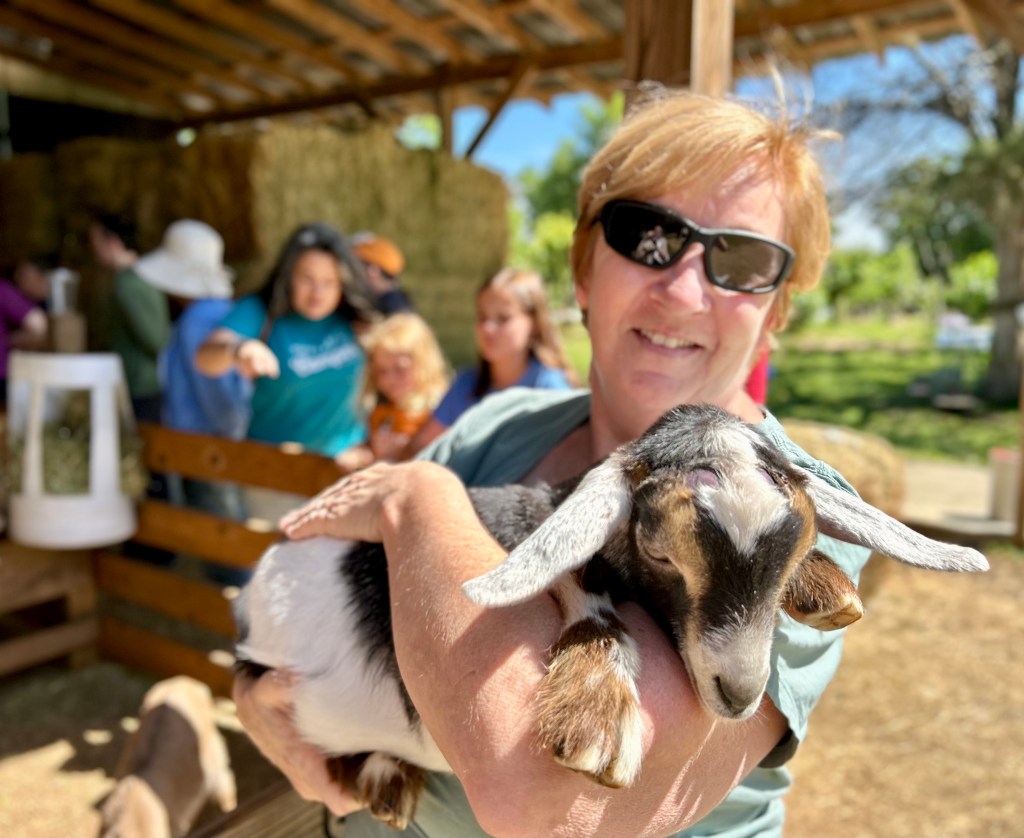
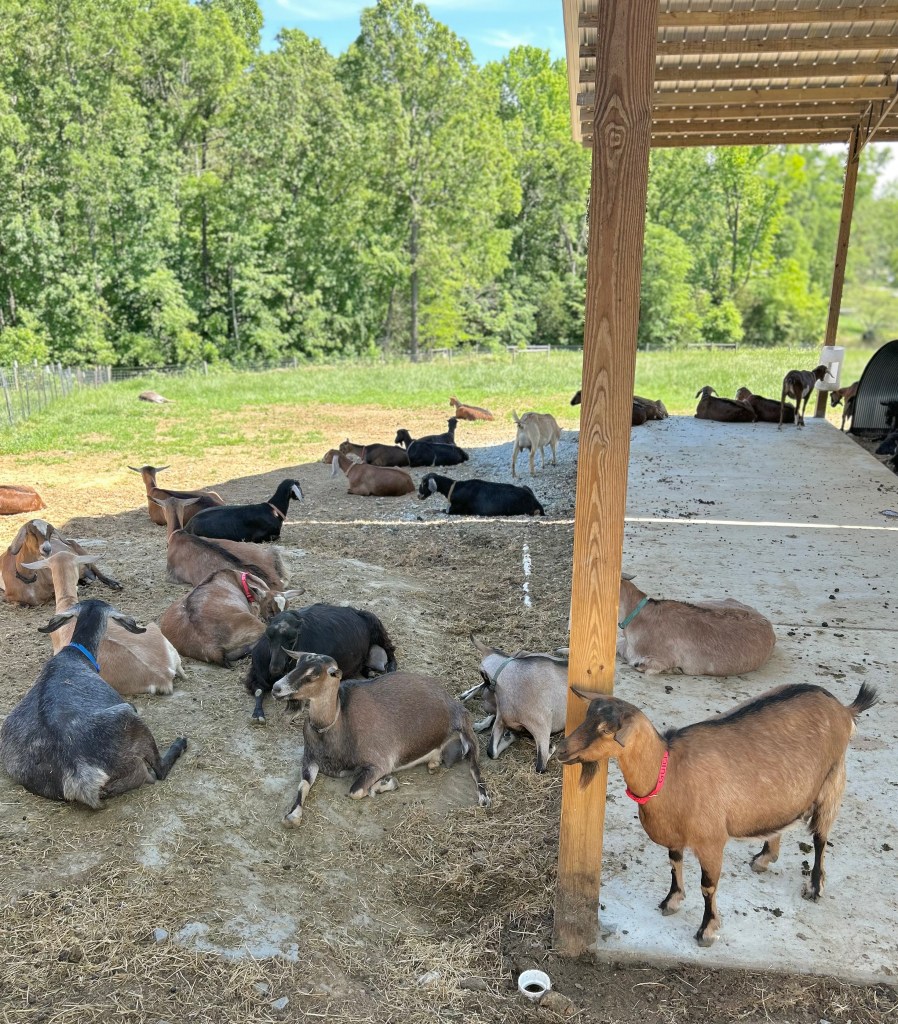
Next stop, Boxcarr Farms, which featured goats and cheese. We were free to roam about the property, observe the milking station, learn about the different types of goats, try some cheese, and even hold a baby goat, if we liked. Yes, please.
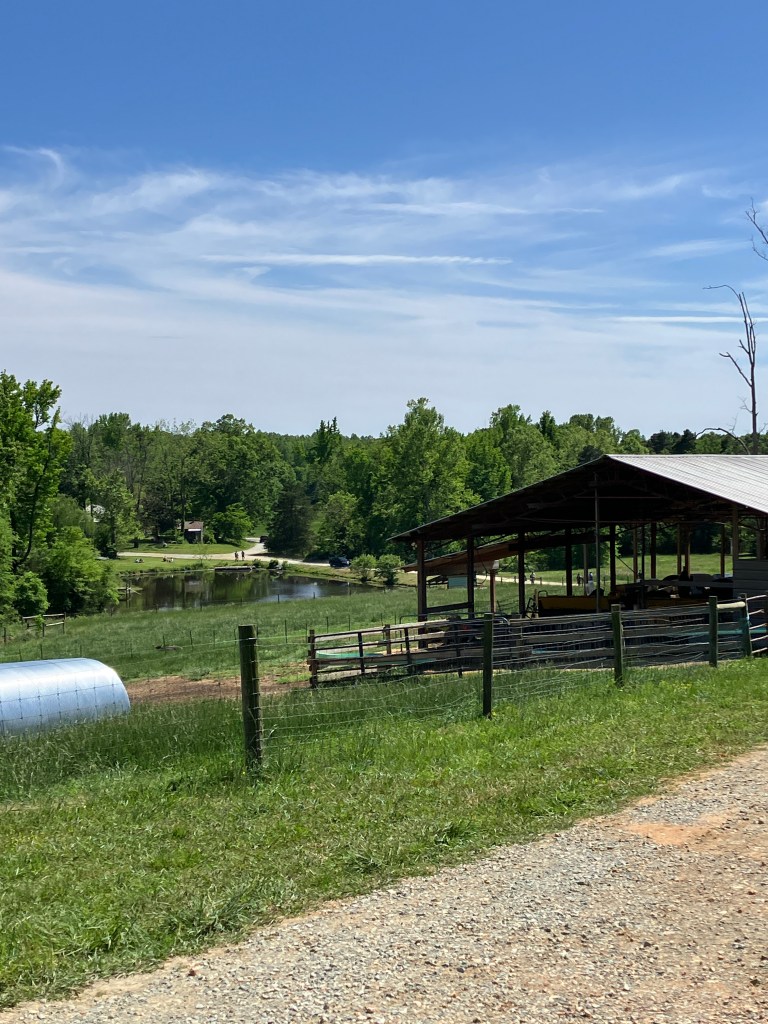

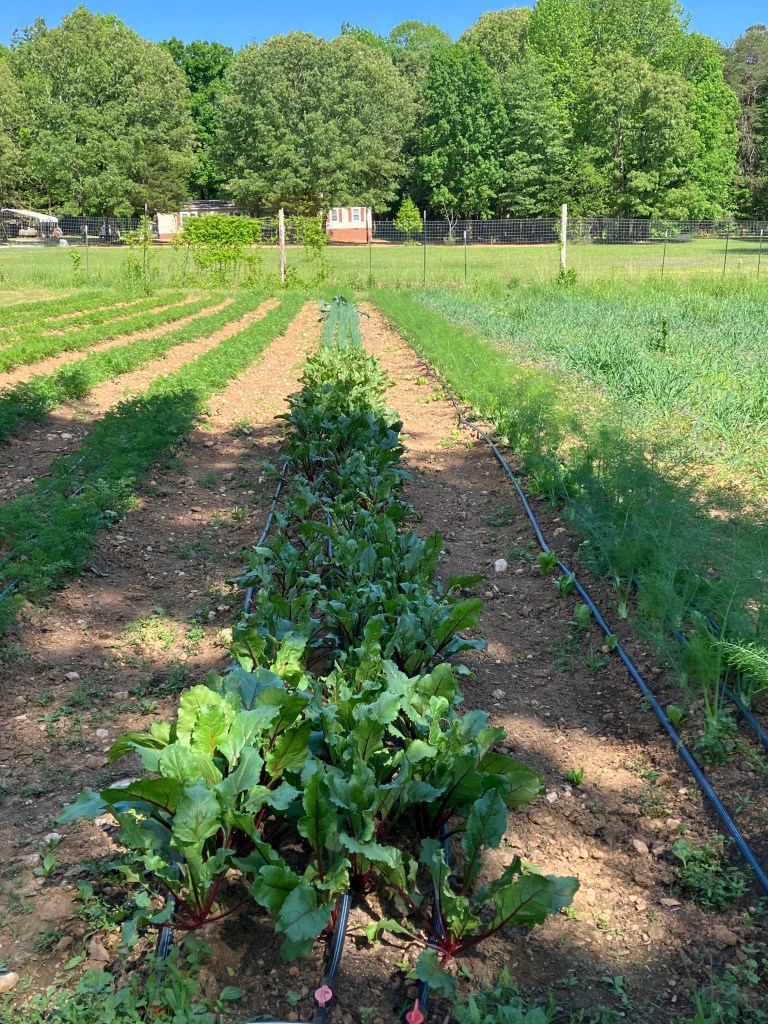
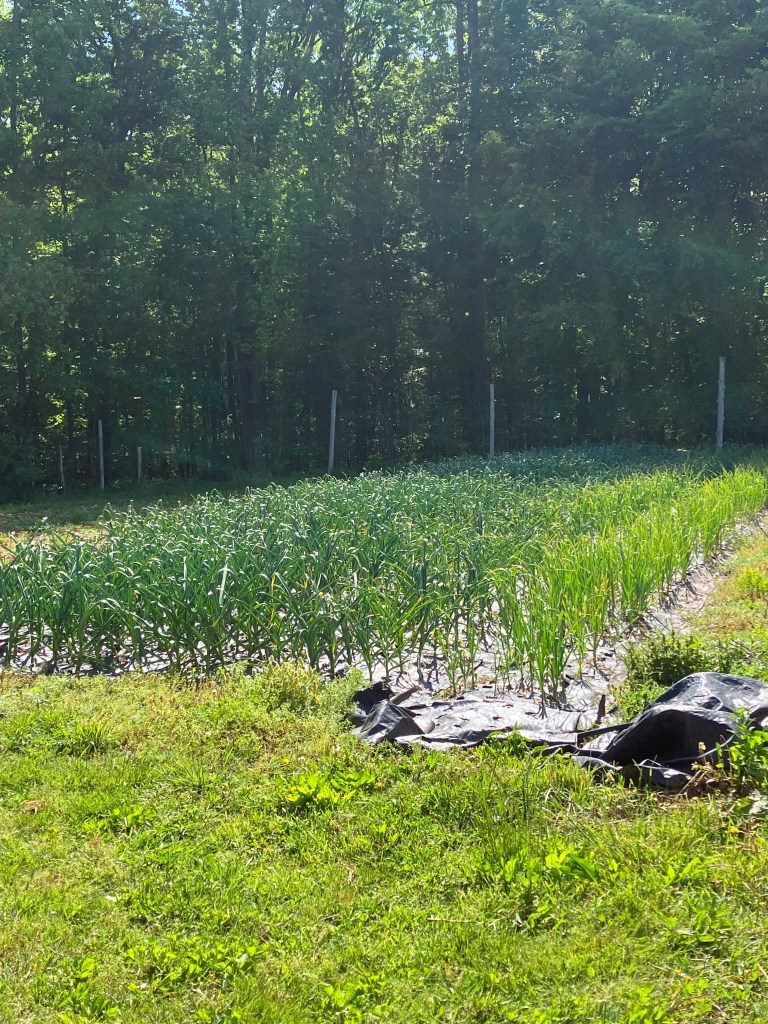
The last stop was Ever Laughter Farm, which was pretty much a one-man show. We got to meet the farmer who gave us a quick tour of his land. Over the years, he’d learned how to optimize what he could produce and care for on his own because he didn’t get into farming to manage other people. He sells the flowers and vegetables and plants he grows at the farmer’s market in Durham.
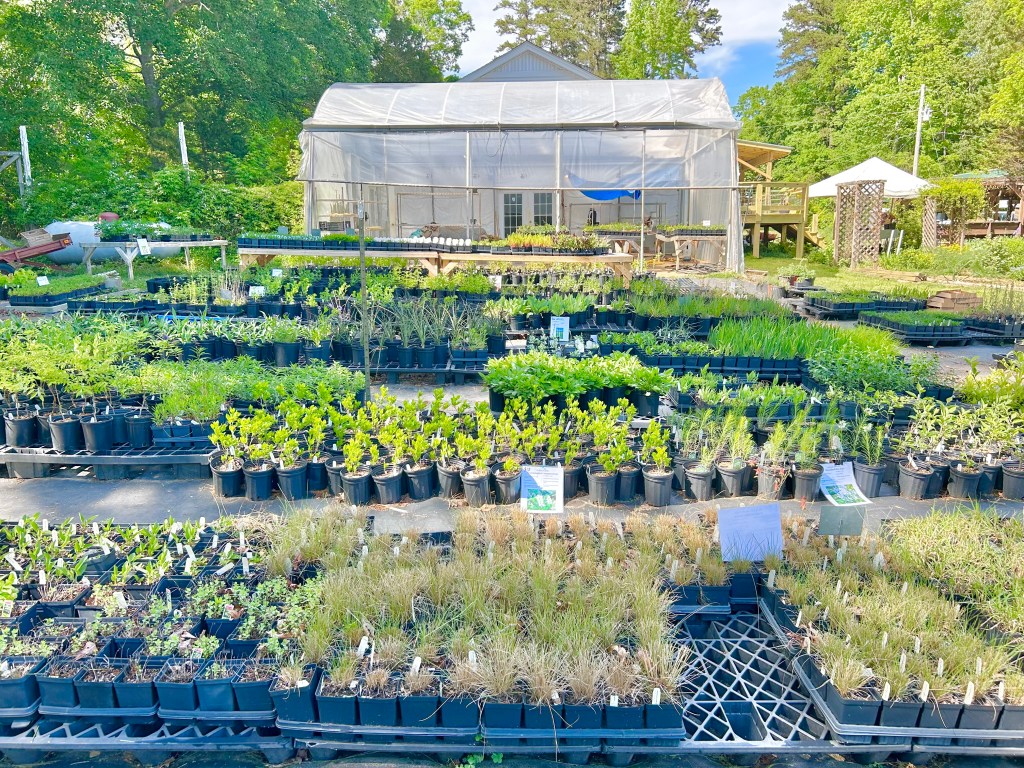
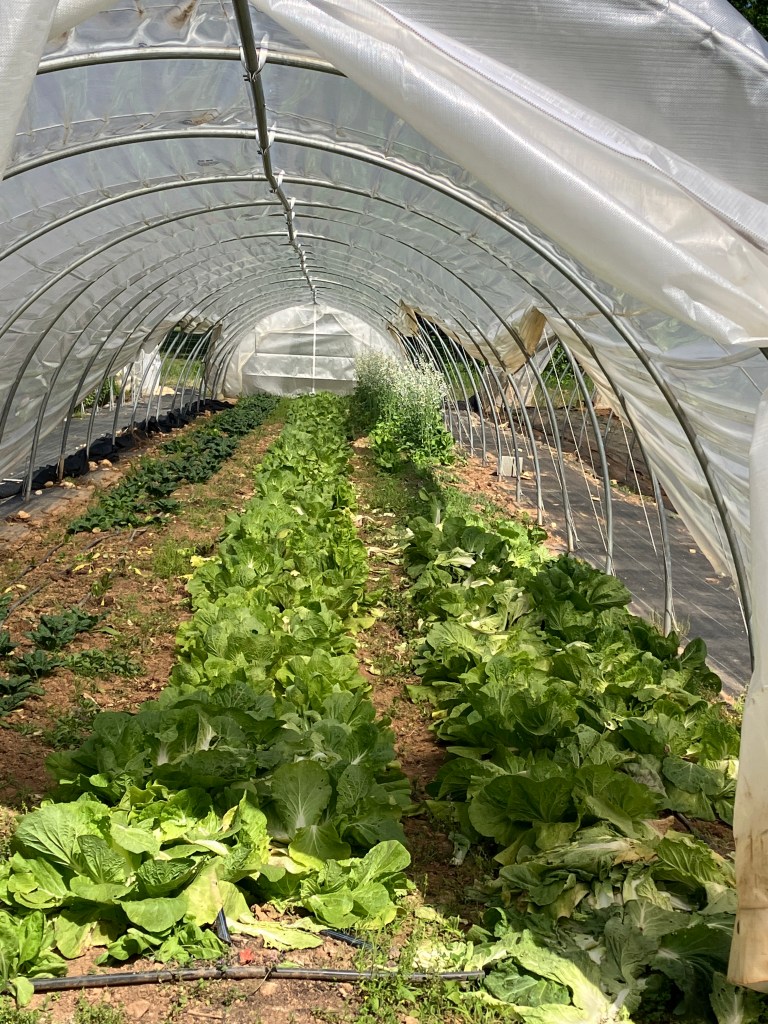
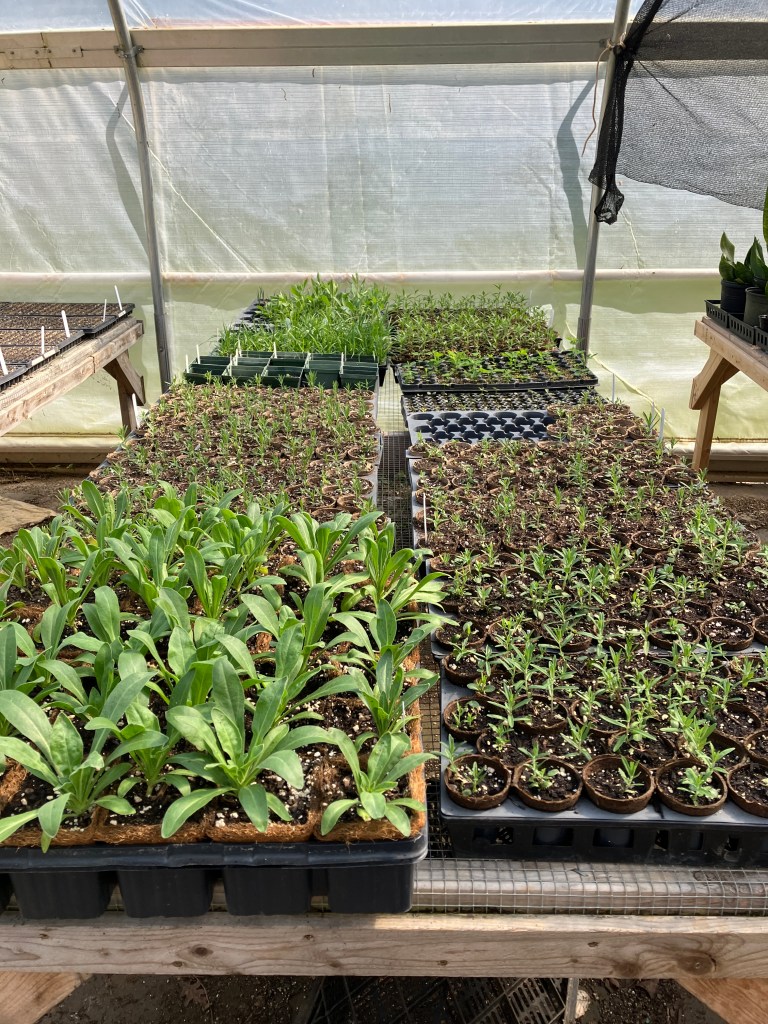
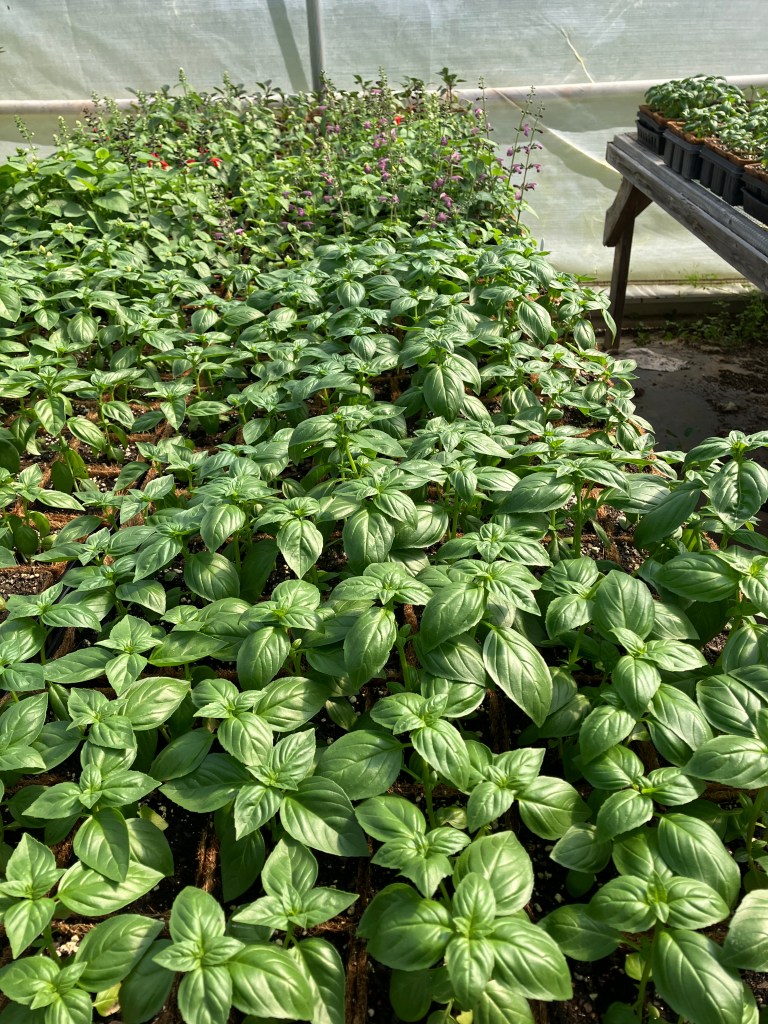
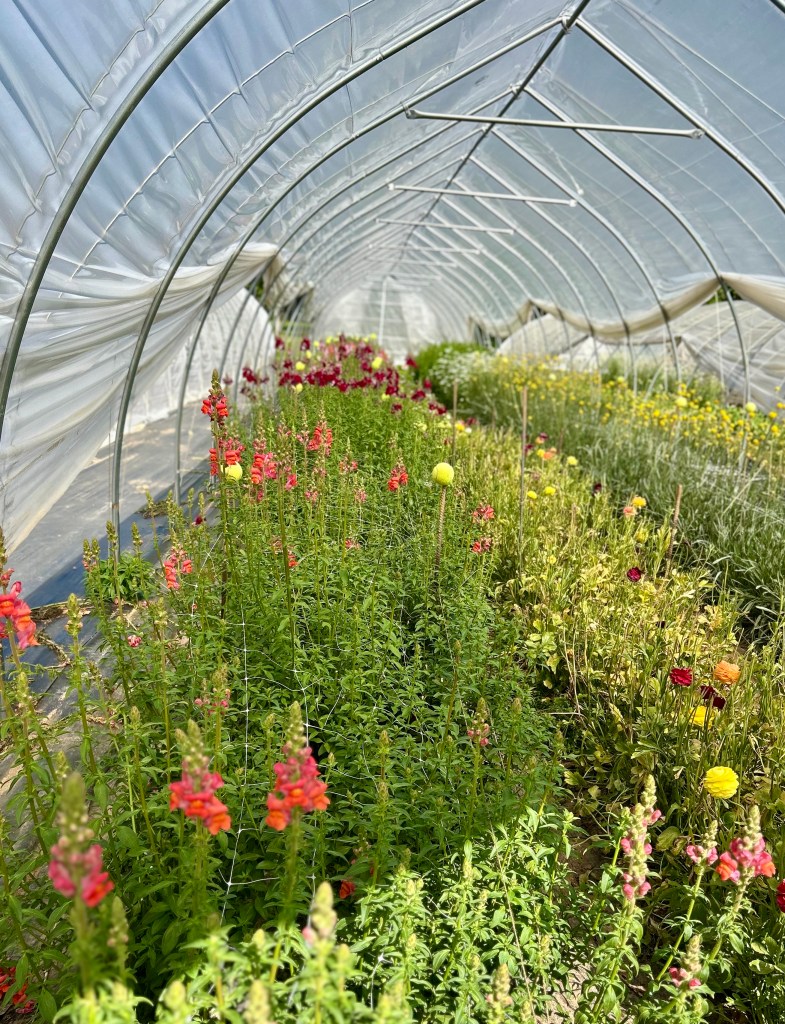
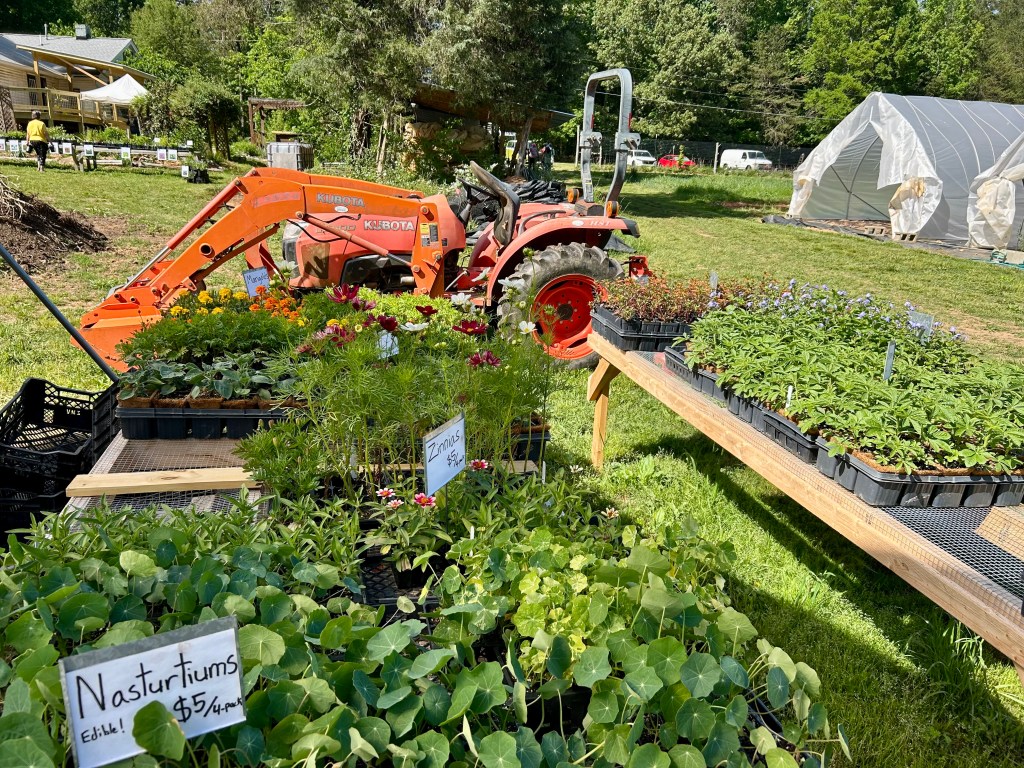
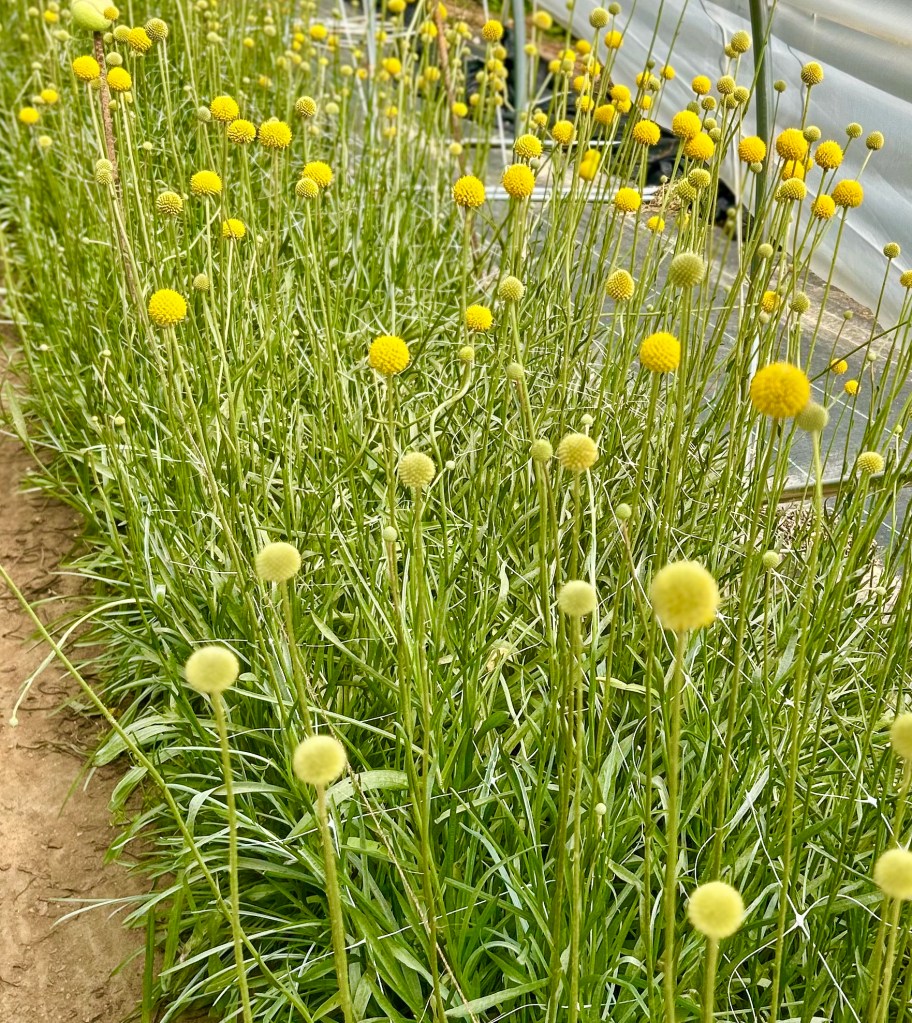
We went home tired and inspired, and with some native plants for our garden.
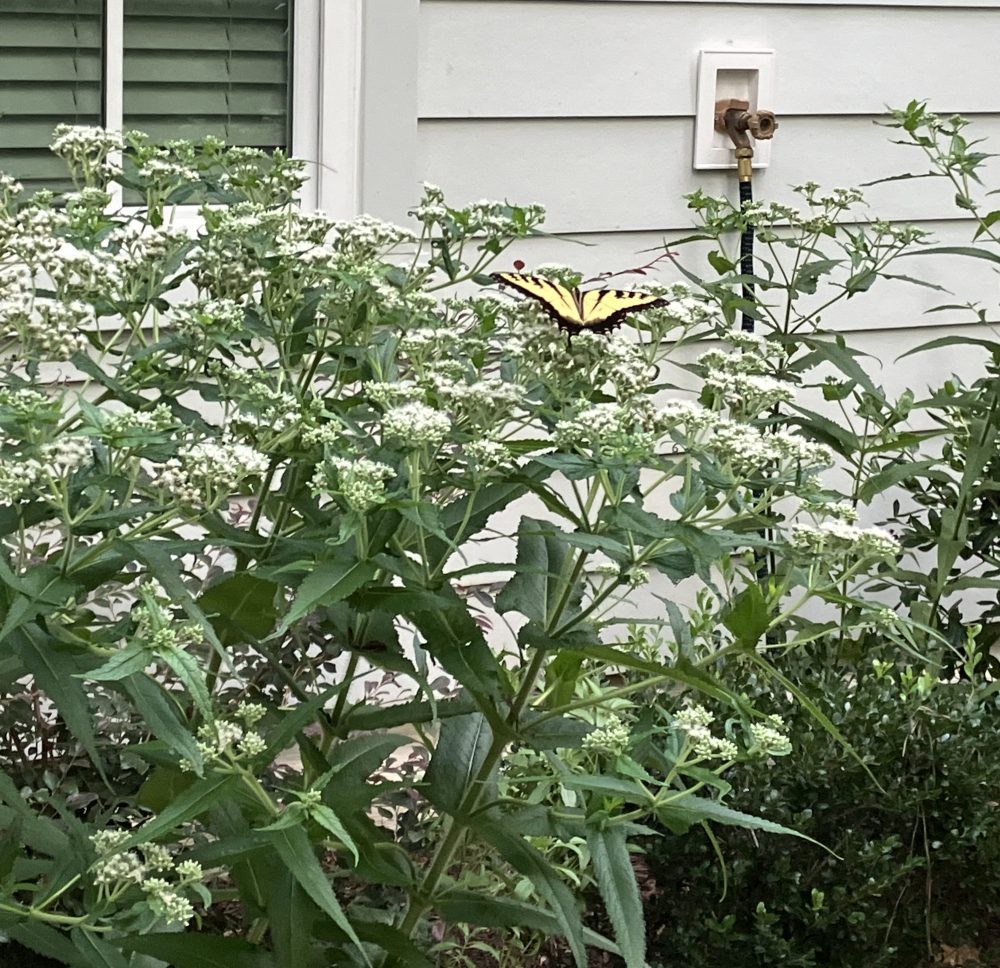
As I started to think about writing this post, I felt like it needed more. I certainly could have crafted something from our afternoon in the sun, but it seemed like something was missing.
I remembered that North Carolina State University has a working dairy farm where they care for dairy cows and provide milk for Howling Cow their very own ice cream. We picked a date and scheduled a tour of the Randleigh Dairy Heritage Museum and Farm. We were joined by Elisabeth and Rachel and, I like to think, Andrew too.
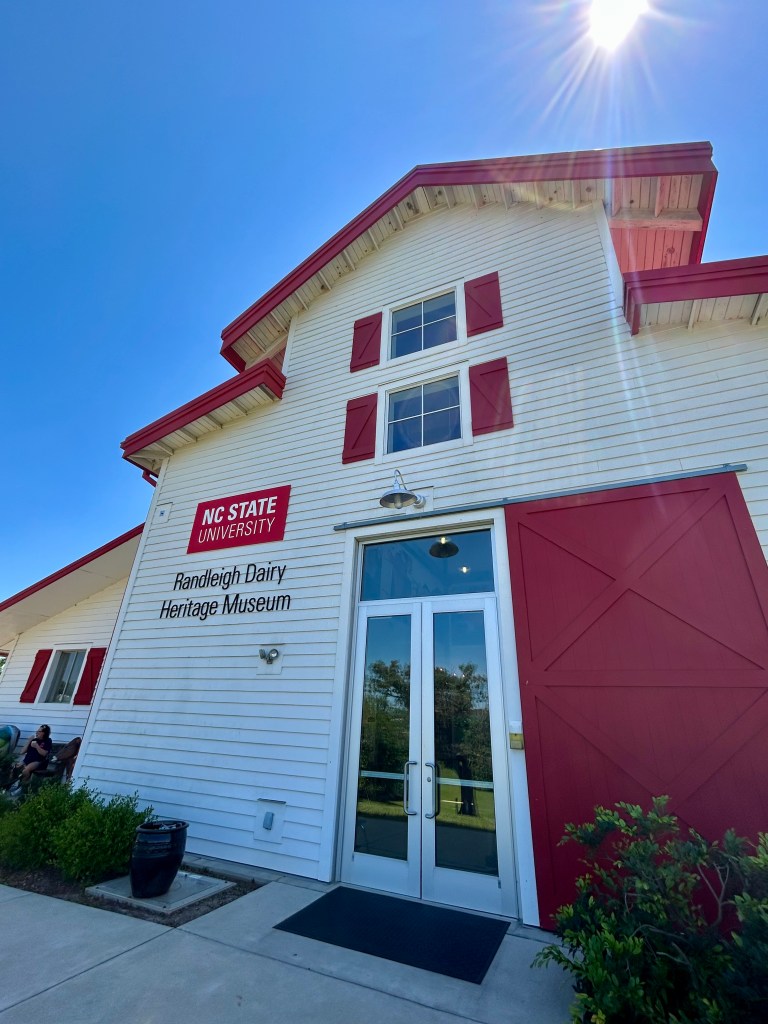
You know when you come across something that feels like it’s from a different world? That’s how I felt as we drove out to the NCSU farm. North Carolina State University is a city school, right in the middle of Raleigh, so it’s pretty amazing to find yourself on campus one minute and in the middle of farmland the next. Our tour started at the museum. While we waited, we explored the exhibits and donned our footwear for the tour.
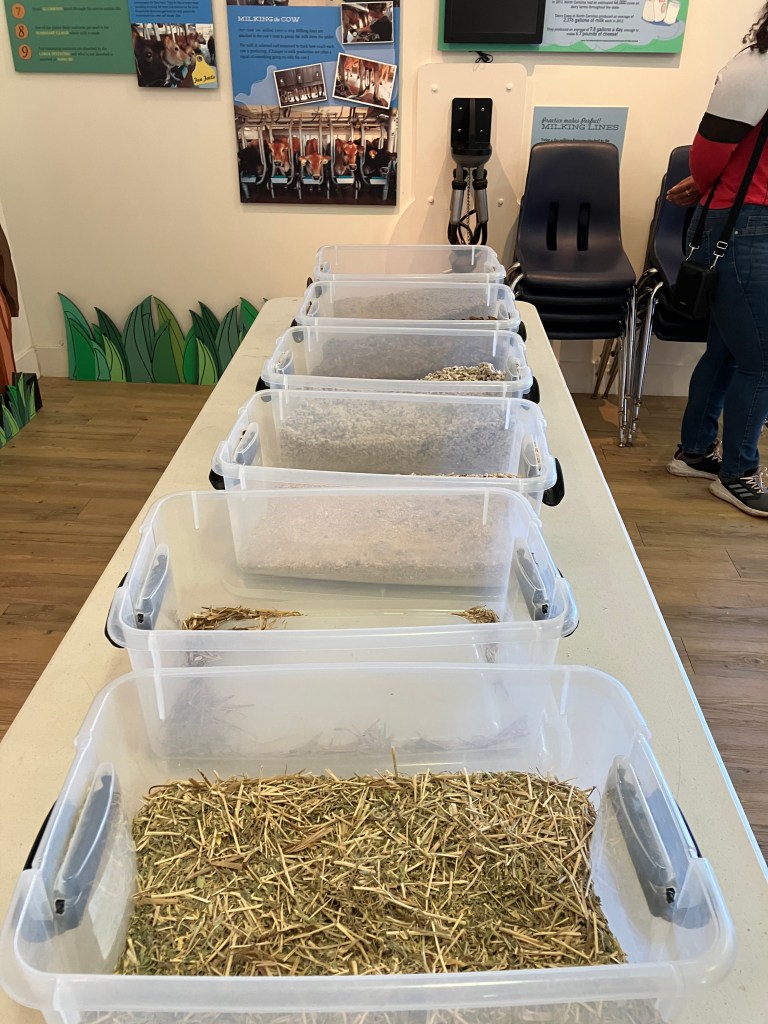
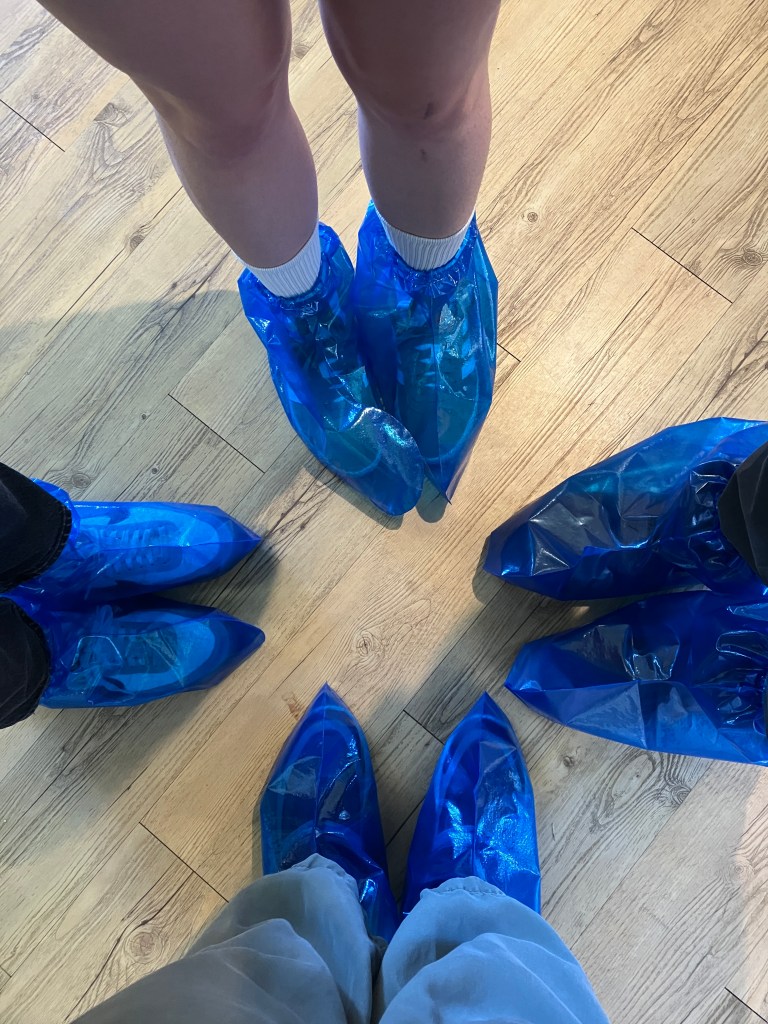
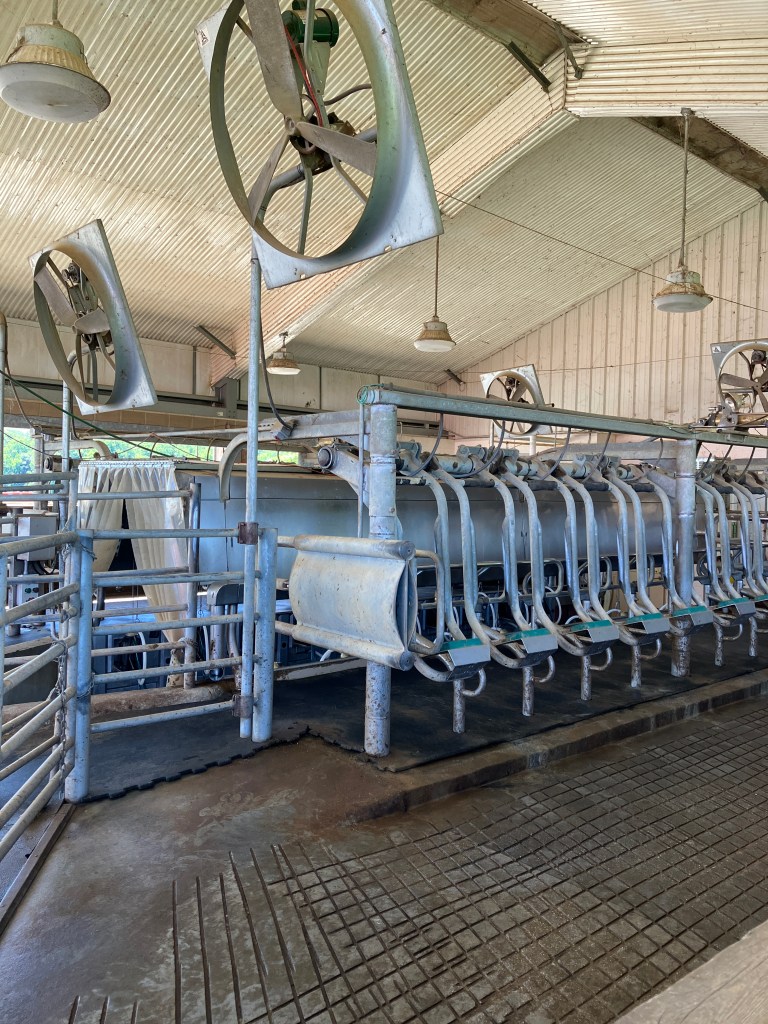
The farm sits on 389 acres but we toured just a small portion. I’m embarrassed to say that I honestly thought all dairy cows were black and white, (sorry, Dad!). They are not. There are seven breeds of dairy cows and NC State has all of them in their herd which is usually around 350 cattle. The farm is an incredible example of hands-on learning for dairy science students. On the tour, led by student volunteers and previous students who now work on the farm, we got to see the milking station, where the calves live until they are ready to join the herd, and where the cows eat and, basically, hang out. I realized that dairy cows are thin! They eat to produce large quantities of milk, not to build body mass, and you can see their ribs and hip bones. I don’t love it but I get it, I do.
We learned about the strict regulations concerning antibiotics and hormones for dairy cows. Like any responsible animal owner, farmers care for animals when they are sick and sometimes that means the use of antibiotics. But, when under treatment with an antibiotic, the cow is kept separate from other cows and and her milk is discarded until the antibiotic has left her system. If antibiotic residue is found in the milk the entire batch must be tossed out. Someone asked a question about hormones in milk and in the weariest voice ever the tour guide begged us not to believe everything we read on the Internet.
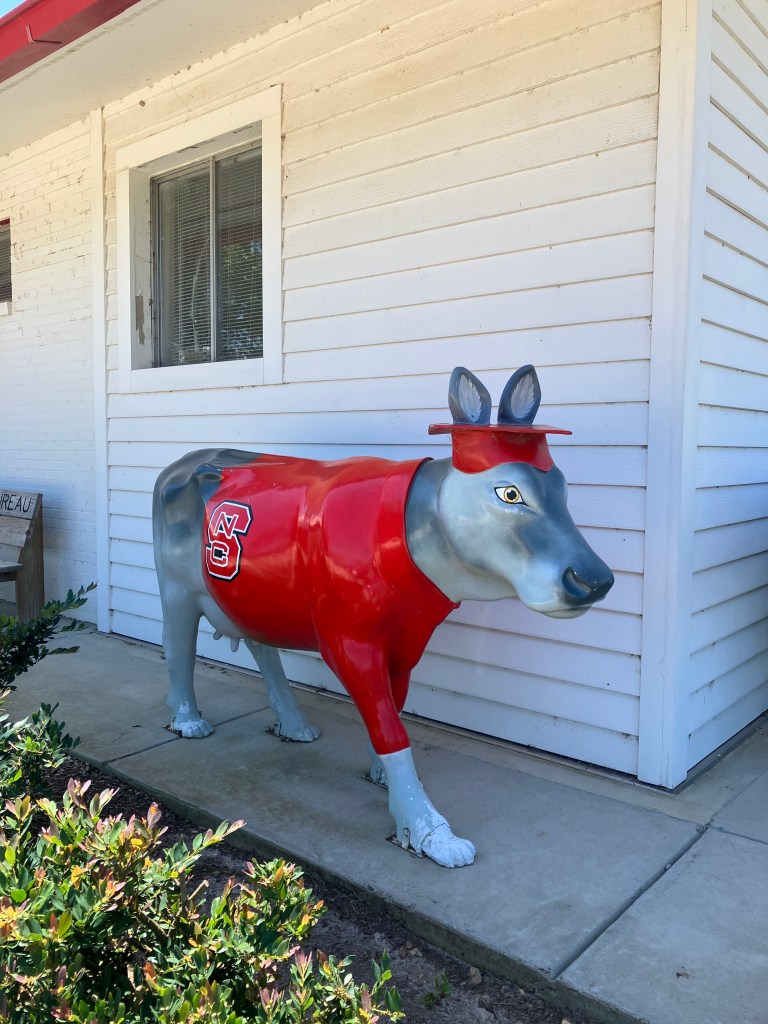
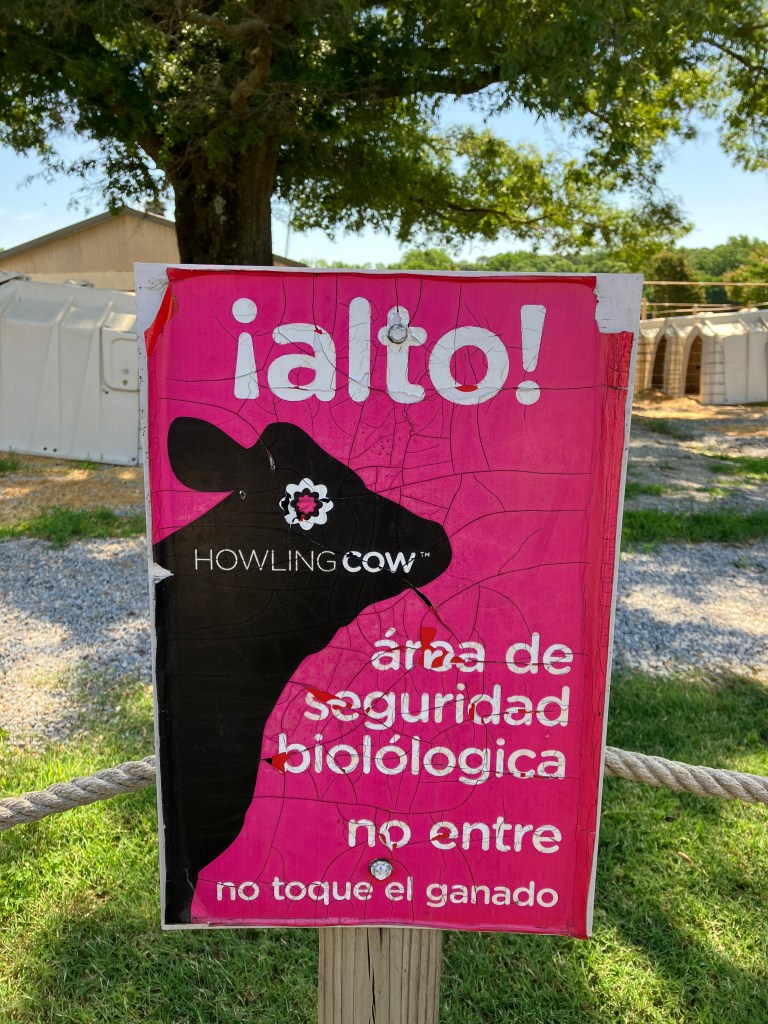
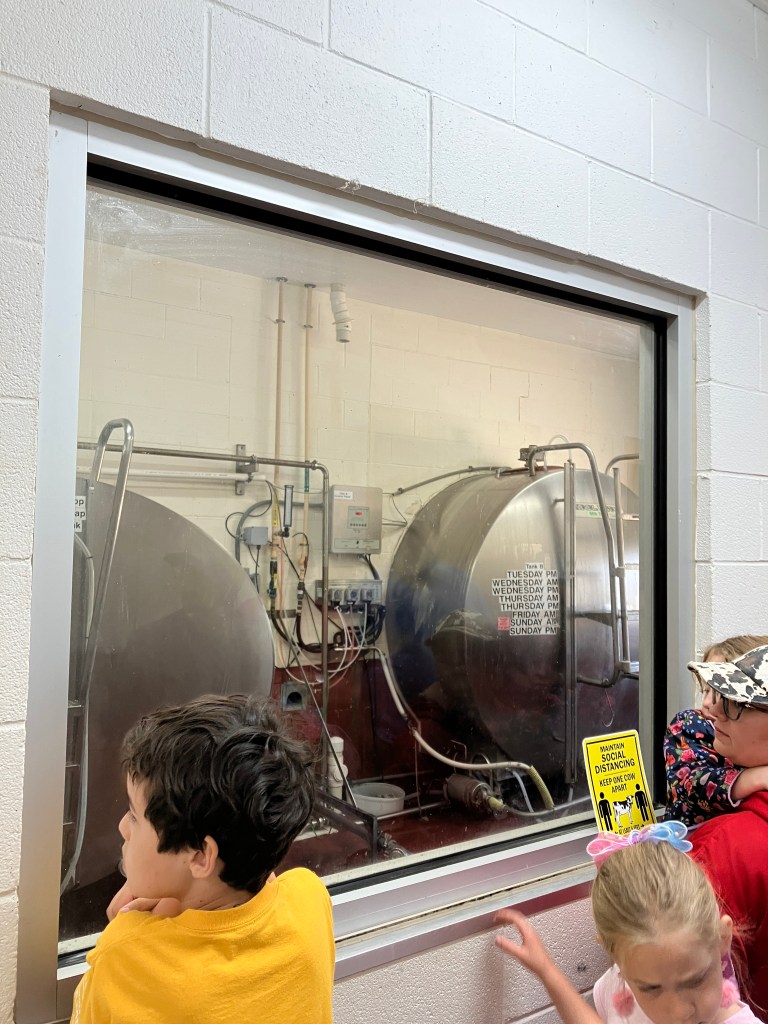
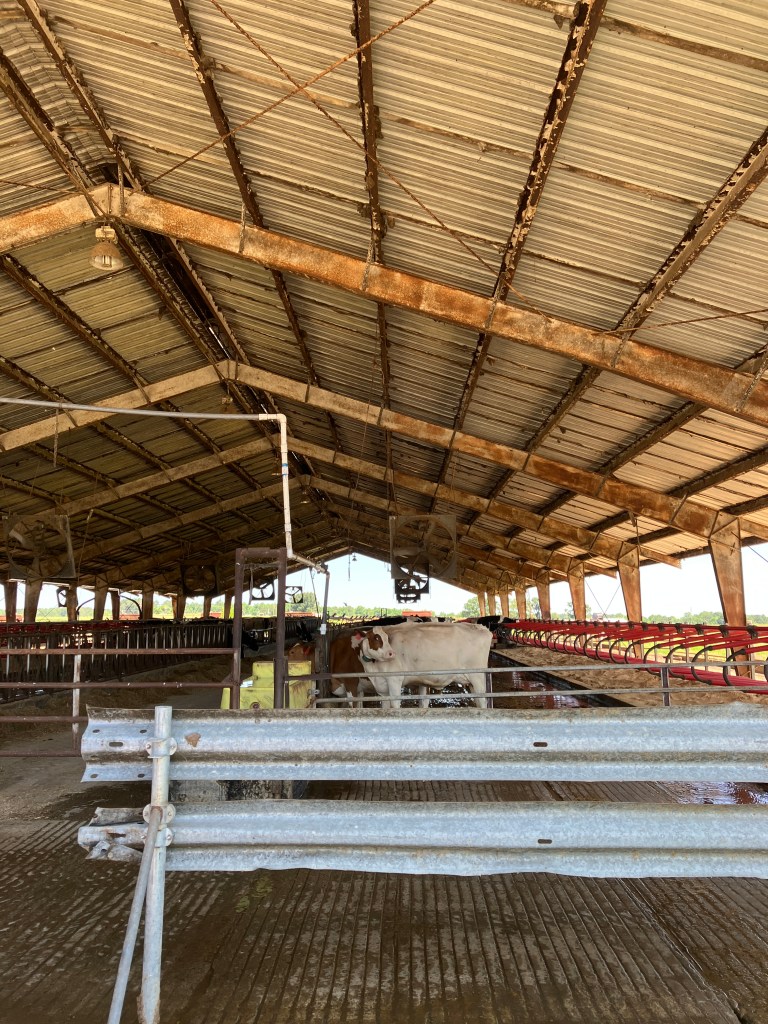
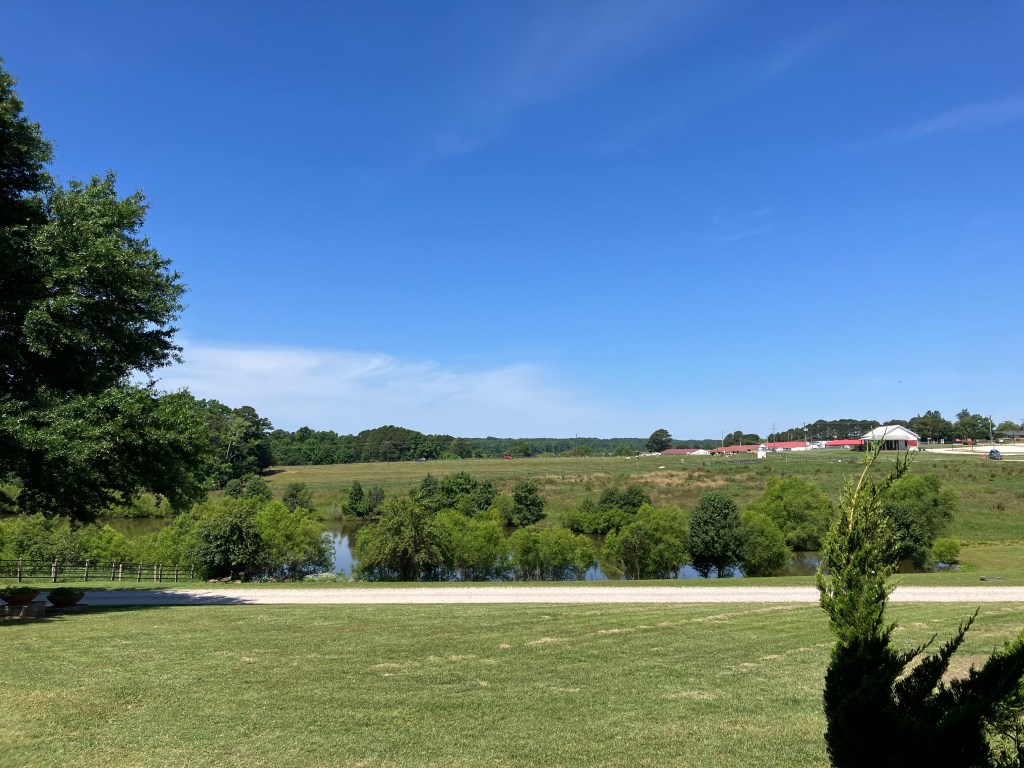
After our tour, we were treated to cups of Howling Cow Ice Cream, made on NC State’s campus in the Department of Food, Bioprocessing, and Nutrition Science’s Feldmeier Dairy Processing Lab in Schaub Hall. Andrew loved Howling Cow, which he got frequently at Talley Market when he was a student living on campus.
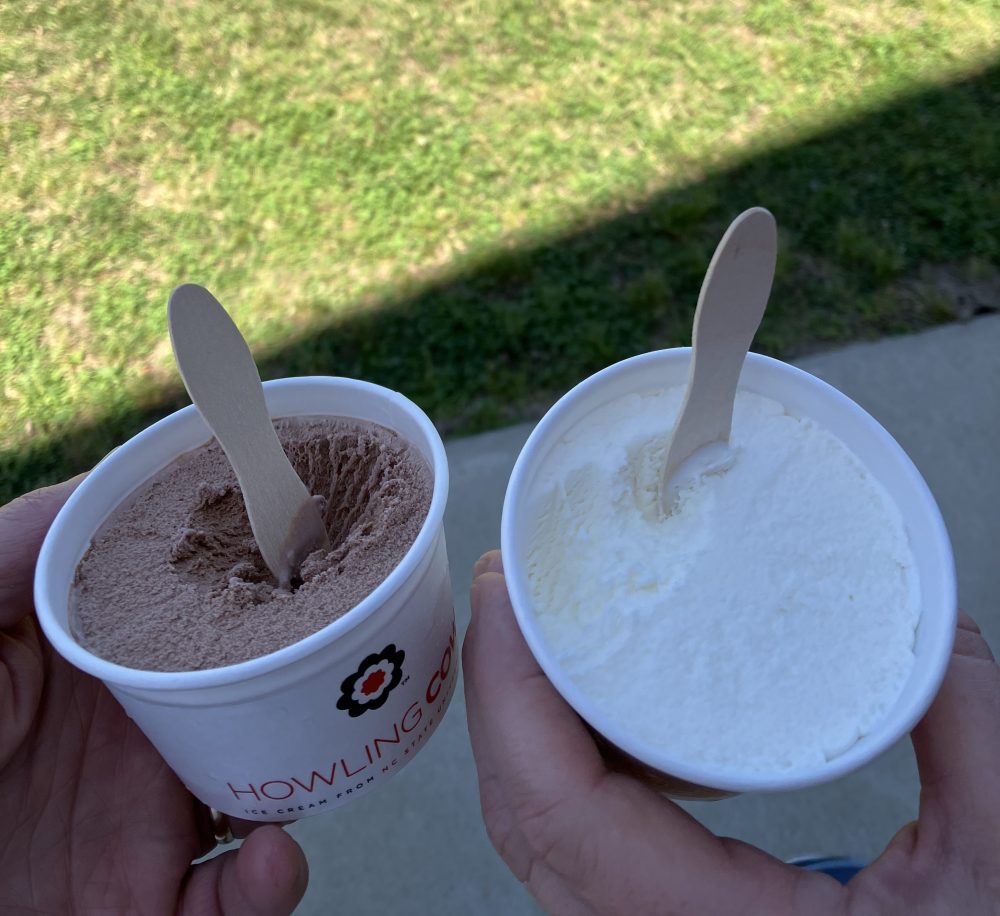
And, now, it’s time to take the quiz:
Which HOwling Cow Ice Cream Are You?
It’s amazing how I started writing about farms and ended up with ice cream. Welcome to my brain which is pretty foggy lately. I hear that’s normal and it gives me a good excuse for a lot of things like boring blog posts and bad hair, well maybe not bad hair, but you get the picture. Consider this a picture book version of going to a farm, heavy on pictures with a light dusting of facts. With that in mind, please address all corrections to this post politely, remember I’m an English major and librarian, I don’t pretend to understand science or nature.
I’ve been working on a memoir, and that’s a lot of time alone in my head. I like to think about this blog as a way to touch base with you, to let you know I’m doing okay, and to hear you are doing okay, too. It’s a tough time out there.
Thanks for reading.
Before you go…if we had a family crest, I think ice cream might be on it. My dad loved ice cream, and as he got older, he fattened our dogs up by sharing it with them every night. Lee loves it, Elisabeth loves it, my brother, Daryle, loves it, and even my father-in-law, Butch, does too. And, of course, so did Andrew. I know it’s fall, but there has never been a better time to eat ice cream, trust me, it’ll make you feel better.
 Before You Grow Up